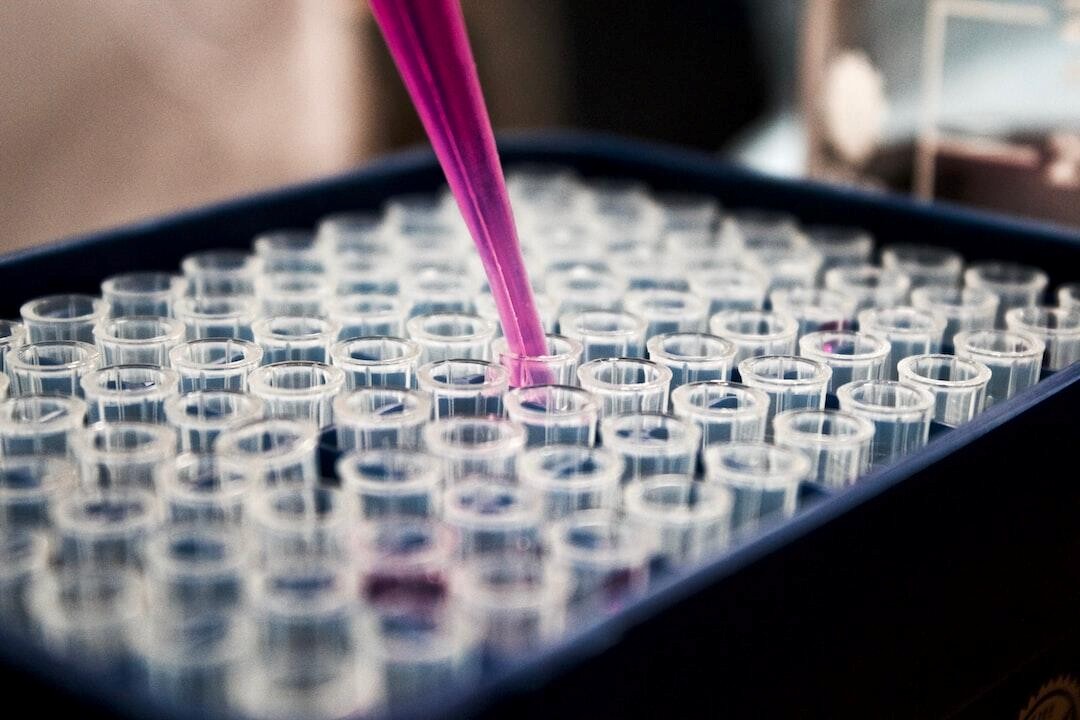
Preclinical research helps experts test ideas before helping real patients. Many new tools now change how this early work happens.
These tools make tests faster and help workers see problems sooner. They also help teams share clear data with stronger trust. How do these smart tools guide better steps each day?
Each new idea brings safer work for teams everywhere. Each tool brings better views that show tiny changes early. Many labs now try new ways to study simple signs.
These paths help makers build safe steps and find strong cures. Keep reading.
Smart Imaging Tools in Early Research
Smart imaging tools help teams see tiny parts inside living things. These tools make clear pictures that help workers find early signs. The pictures show colors and shapes that guide simple steps forward.
Teams use these pictures to study new ideas with careful checks. These tools help labs watch how small parts move over time. The clear views help experts understand how things change with tests.
Workers can use these tools to study every layer closely. Each picture gives clues that support new safe testing plans. The tools also help reduce mistakes during busy lab days.
Clear pictures make it easier to share results across teams. These images help questions get simple answers quickly and safely.
Robotic Tools Helping With Daily Lab Tasks
Robotic tools help teams finish many tasks with better care. These tools move gently and follow steps with steady speed.
Robots help measure small drops that must be placed exactly right. They also help mix samples so no mistakes happen during work. Workers can trust robots to keep things clean and safe.
Robots help save time when days become full of tasks. The steady actions help teams stop errors that slow progress.
Robots also help reduce waste because they use the correct amounts. Workers can plan smarter because robots finish tasks on time.
Strong Data Tools for Clear Study Results
Strong data tools help labs study facts in better order. These tools help store numbers in neat places for workers. Workers can find the needed files quickly without losing important parts.
Data tools help sort items into clear groups for review time. These groups help teams look for simple signs that matter. The tools show charts that help workers see hidden changes early.
Data can move easily between teams without losing key details. These tools help people track progress with simple displays. Clear data shows what steps help or hurt early tests.
Teams can share findings using these organized systems. This helps support safe choices when studying new ideas.
Gene Editing Tools Changing Simple Research Paths
Gene editing tools help teams change small parts inside cells. These tools help workers see how changes affect early growth. By moving tiny parts, experts can test simple causes safely.
These tests help show how certain pieces guide body actions. The tools cut or fix small areas without hurting other parts.
Workers use these tools to check ideas about new cures. This helps teams learn what actions work in early tests. These tools can show how changes shape health in small ways.
Labs can also test how fixes help stop early problems. Teams use careful steps to keep samples safe while working.
Machine Learning Tools Helping Pattern Discovery
Machine learning tools help teams find patterns in big groups. These tools scan numbers to show links not seen before. Workers use these links to guide simple early checks.
Machine learning tools help sort items into useful sets. These sets help teams track change through early study stages. The tools also help show risk points in clear shapes.
Workers can plan next steps using these early signals. Machine learning helps cut the time for studying tricky problems. Teams can trust the tool to scan every detail carefully.
This tool also helps share clear findings with other groups. It keeps data safe while showing simple, helpful views.
Better Cell Culture Systems Helping Studies Grow
Better cell culture systems help teams grow samples safely. These systems keep cells warm, clean, and ready for checks.
Workers can guide cell growth with steady, simple controls. These tools help samples stay strong without harmful stress.
Teams can watch growth steps using clear, built-in displays. These displays help catch small problems before harm happens. The systems also help use food and space wisely.
Workers can plan tests because growth stays steady daily. These tools help cut waste and save important materials.
Organ-on-Chip Tools Giving Realistic Body Models
Organ-on-chip tools help teams copy body parts in small chips. These chips show how tissues move and react in real time. Teams can test ideas without needing large living systems.
These tools help workers study flow, stress, and tiny signals. Chips show how cells behave when new ideas are tried. Teams can watch these actions through tiny windows safely.
The chips help reduce mistakes because tests stay controlled. Workers can mix small pieces to create model body parts. These tools help show how parts connect and communicate daily.
Teams can use chips to test simple plans early. The chips help reduce cost when exploring safe steps. These tools support early ideas with strong, clear views.
Strong Safety Tools for Clean Testing Spaces
Strong safety tools help labs keep spaces clean each day. These tools help catch dust and stop tiny threats quickly. Workers use shields and filters to protect every sample.
Air tools clean rooms so nothing harms important work. Teams use safe boxes that protect hands from risky items. These safety tools create trust in busy work areas.
Workers stay healthy because tools always guard them. The tools also help protect results from unwanted noise. Clean spaces help teams see true signs without confusion.
Workers can plan their day without worrying about harm. These tools help cut delays caused by unsafe mess.
Safety tools also help store items in clear, safe places. Strong safety steps support every test from start to end.
AI Tools Helping Early Idea Testing Steps
AI tools help teams check new ideas before deeper tests. These tools read data and show clear early answers. Workers use these answers to plan simple steps forward.
AI tools look for signs that guide safe early choices. They help teams see which ideas need more careful study. The tools compare past results with new sets to find clues.
These clues help reduce errors in early plans and actions. Workers trust AI to scan details with steady focus. AI also helps track changes that might be missed.
The tools help make early tests stronger and more useful. Teams can manage time better because AI speeds reviews. These tools give steady help while keeping data safe.
Digital Twins Supporting Early Test Plans
Digital twins help teams build computer copies of living parts. These copies show how things behave inside real bodies.
Workers use twins to test ideas without real samples. The twins help show risk signs before trying real tests. These models change when workers add new factors to study.
Teams can learn how these changes shape early results. Digital twins help cut costs because fewer materials are needed. Workers trust these models to stay steady during checks.
The twins show how things move through spaces like real parts. This helps teams plan safe steps before lab work begins.
These models help guide good choices with simple views. Digital twins make early research safer and clearer daily. Labs use these tools to build better early plans easily.
Improved Animal Study Methods Supporting Safer Testing
Improved animal study methods help teams treat animals better. These methods use fewer animals while still finding the needed answers.
Workers plan tests that follow strict rules for safety. Better steps help reduce stress for animals each day. Teams watch animals with gentle tools that show clear signs.
Workers track changes with care to protect every subject. These steps help make tests more honest and helpful. Teams use updated plans that cut harm and time spent.
These methods support work that guides deeper research stages. They help labs gather needed facts with kind, steady care.
Updates also help remove steps that cause needless trouble. Better methods build trust that supports safer early studies.
Advanced Body Models Helping Real-World Testing
Advanced body models help teams copy real humans with care. These models give clear views that match real body actions. They help teams test ideas without using real people early.
Some models include patient-derived xenograft (PDX) models for deeper study. These models help show how ideas work across body types.
Teams can watch actions unfold through safe, steady displays. The models help track growth, signals, and gentle changes.
Workers can plan smart steps because models stay controlled. The tools help reduce risk when trying new ideas early. Models also help remove waste from unhelpful tests.
Advanced models bring strong support within simple daily work. These systems help labs understand new questions more clearly. Teams trust these models because they match real shapes closely.
Learn the Emerging Technologies Transforming Preclinical Research
Emerging tools help make early research clear, safe, and strong. These tools support teams by giving steady help each day.
Workers can test ideas gently without harming living things. Smart systems help track signs that matter for early steps. These tools guide choices that help labs plan with care.
Kids can understand that new tools make learning easier. These ideas help workers make safer cures for real people. When teams use strong tools, they protect both ideas and lives.
Did you find this article helpful? If so, check out the rest of our site for more informative content.