
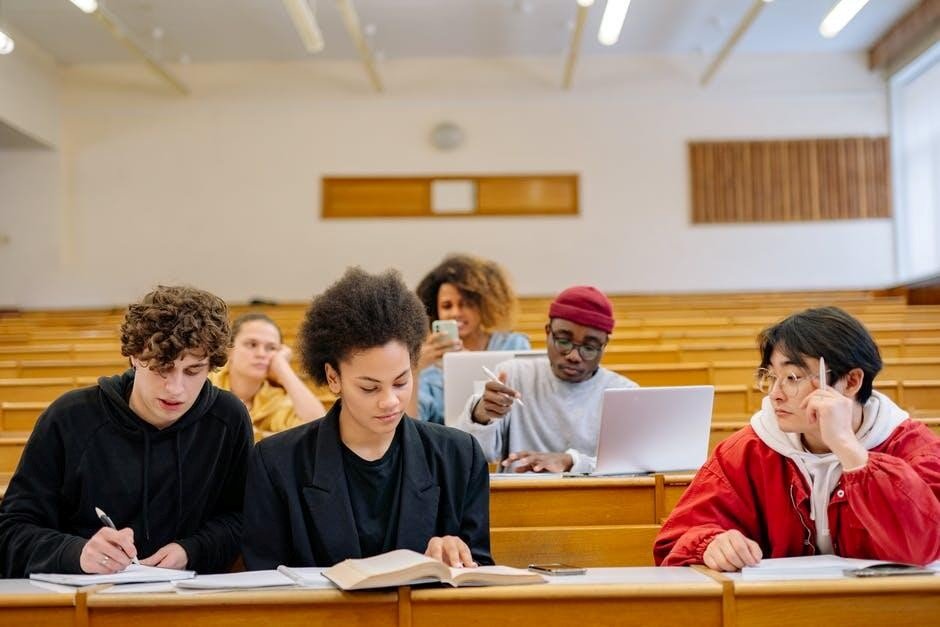
Education is changing rapidly around the world. Classrooms look vastly different from what they did a decade ago.
Students now expect engaging materials that keep their attention focused on the lesson. Relying entirely on heavy textbooks no longer yields the best academic results.
Visual tools provide a distinct advantage for long-term memory retention. Top-tier academies are adopting these methods to give their attendees the best possible academic experience. The shift represents a major step forward for daily campus life.
Continue reading to discover everything you need to know!
The Power Of Picture Retention
Retaining information is a common struggle for young scholars tackling dense subjects. Listening to a lengthy lecture alone often leads to forgotten facts within just a few days. Visuals serve as powerful memory anchors for complex scientific and historical concepts.
Breaking up text with engaging graphics keeps the brain actively processing the material. A recent review of learning statistics by Mitti noted that individuals recall just 10% of auditory information after three days.
Adding a visual element like a picture boosts that retention rate to about 65% on average. A massive leap explains the push for new teaching strategies across the globe.
Interactive models and graphs make studying far less tedious for teenagers. Teachers spend less time repeating themselves and more time introducing new ideas. The results speak volumes when final test scores arrive at the end of the term.
Choosing The Right Academy
Finding a campus that truly values modern education methods takes some thorough research. Boarding facilities offer a unique environment for constant academic growth. The best campuses blend traditional values with cutting-edge classroom tools seamlessly.
A supportive atmosphere makes adopting new study habits much easier for incoming students. Parents often rely on reading Institut auf dem Rosenberg Reviews to gauge how well an academy integrates advanced learning techniques. These detailed evaluations help families make informed decisions about their children’s long-term futures.
Pupils collaborate on projects and share visual study guides during their evening hours. A collaborative spirit builds a strong foundation for university life later on. Students live and breathe their studies alongside their trusted peers.
Hybrid Options On The Rise
The shift toward flexible daily schedules is actively reshaping curriculum planning. Many institutions now offer a structured mix of in-person and digital learning sessions.
The blend caters to different learning speeds and varying personal study preferences. Students can absorb the material at whatever time of day suits them best.
A 2024 survey highlighted by Axonpark revealed that 54% of higher education centers plan to expand their hybrid offerings. The same report found that 93% of students value the flexibility this exact model provides. These numbers highlight a clear preference for adaptable learning environments.
Visual modules fit perfectly into these new hybrid structures. Students can watch animated lessons from their dorm rooms before attending live discussions. Preparation makes classroom time much more productive for everyone involved.
The Role Of Educational Video
Too much screen time can worry parents, but videos can support learning. Short lessons can explain difficult topics in a clear and simple way. They use pictures and movement to help students understand new ideas.
Research.com reports that 91% of classrooms in the United States use educational videos. Teachers use them to explain topics that may be hard to understand through books alone. Videos can keep students interested in lessons.
Teachers use videos in many ways:
- Show safe science experiments
- Explain important historical events
- Solve math problems
These videos help students connect ideas with real examples.
Artificial Intelligence In The Classroom
Automation and smart algorithms are finding their way into daily lesson plans. Some worry these tools might push human instructors out of the picture entirely. The reality looks much more collaborative and supportive for everyone.
A recent post from Boarding School Review explained that in 2025, campuses use AI to personalize learning rather than replace teachers. Software analyzes a student’s performance and generates custom visual aids automatically. The teacher then uses those aids to guide the student through their weakest points.
A targeted approach saves hours of manual grading and endless planning. Instructors gain more one-on-one time with the kids who need extra help. It is a perfect synergy of human empathy and pure machine efficiency.
Exploring Three Dimensions
Flat images only go so far in explaining complex spatial concepts. Virtual reality headsets transport pupils directly into the heart of the subject matter. They can walk through ancient Rome or inspect a human heart from all possible angles.
An article from Arya Vedant noted that visual learning via AR and VR models – like exploring the solar system in 3D – helps students retain information longer. Immersion creates a strong emotional and cognitive tie to the challenging material. These experiences feel like fun field trips without ever leaving the campus grounds.
Funding these programs requires an initial investment in heavy-duty hardware. The long-term payoff in student engagement makes the high cost completely worthwhile. Teenagers look forward to classes that incorporate these futuristic learning tools.
Interactive Digital Images
Clickable graphics offer another layer of discovery for naturally curious minds. A standard map becomes a treasure trove of data when points of interest are tagged with extra info.
Students dictate their own pace of discovery during these assignments. Giving them control over their educational journey builds strong independence.
A tech roundup by Vivi mentioned how tools like ThingLink transform static images into interactive, multi-layered experiences. Hovering over a diagram of a cell can bring up definitions and short video clips instantly.
Teachers can easily track which parts of the graphic receive the most clicks. This data helps them understand what topics the class finds most interesting on any given day. Future lessons get tailored based on those exact student preferences.
Hands-On Whiteboard Lessons
Chalk and slate boards are relics of the past in top-tier academies. Modern displays allow multiple users to draw and manipulate shapes simultaneously on one board. The physical act of moving items on a screen cements the concept deep in the brain.
A publication by Emerald Document stated that when students can touch, move, and explore content, retention improves dramatically and lessons become more memorable. Kinesthetic learners thrive when they can physically interact with the daily lesson. The combination of active touch and sight is incredibly powerful.
Group projects take on a new life around these massive glowing screens. Classmates brainstorm together, dragging and dropping ideas into massive digital mind maps. The standard classroom transforms into a highly active workshop.
Classic Tools Upgraded
Learning does not always need computers or the internet. Traditional tools can still help students remember important facts when used well. The key is to connect new information with clear pictures and simple ideas.
A guide from Achieve Psychology explains that flashcards, diagrams, and charts can help improve memory. They encourage students to remember information instead of only reading it.
Students can use simple tools to prepare for exams:
- Draw colorful mind maps
- Make picture flashcards
- Build models with cardboard
These methods help students understand lessons and feel more ready for tests.
The Financial Investment
Upgrading facilities with cutting-edge displays requires serious financial budgeting. Private academies allocate significant funds to keep their classrooms highly competitive. Parents expect top-tier resources when paying premium annual tuition fees. A well-equipped learning space justifies that heavy financial commitment.
Market research from DataIntelo revealed that the global interactive panels market is valued at $7.8 billion in 2025. This massive figure highlights how heavily the education sector is leaning into visual tech.
The hardware requires ongoing maintenance and occasional software subscription updates. IT departments on campus work tirelessly to keep everything running smoothly behind the scenes. A seamless technological experience is paramount for daily academic operations.
Preparing For The Workplace
Schools help young adults get ready for future jobs. Many workplaces use digital presentations and online tools to share ideas and work together. Students who learn to use these tools have an advantage when they start working.
A report by Elac Tree explains that modern classrooms help students build teamwork and communication skills. Being able to share ideas with pictures and clear information is important in many jobs. Employers want people who can explain difficult topics in simple ways.
Group projects using digital boards prepare students for office work. They learn to present ideas, explain their choices, and support their views with facts.
Continuous Academic Growth
Schools need to keep improving how they teach. School leaders often review lessons and look for better ways to use pictures and other visual tools. Feedback from teachers and students helps them understand what works best.
If a learning tool does not help students, schools can try something else. This keeps lessons useful and interesting throughout the year. Students feel valued when teachers listen to their ideas and opinions.
Using visual tools can make school life more active and enjoyable. Pictures, videos, and interactive screens help explain difficult topics in simple ways. They can make lessons easier to follow for different types of learners. Schools that keep trying new teaching methods can help more students learn and grow.
Shaping the Future of Modern Education
Finding the best ways to educate the next generation requires constant pedagogical innovation. Incorporating pictures, videos, and interactive screens makes learning far more accessible for everyone.
The shift away from purely text-based teaching is a permanent change. As hardware becomes more advanced, the possibilities for classroom engagement will only continue to expand. Campuses that embrace these visual methods will consistently produce highly capable graduates.
If you’d like to learn more, check out more articles on our blog.

